17 Nov 2026
Exploring Verification Timelines and Withdrawal Reliability in Casino and Sportsbook Operations
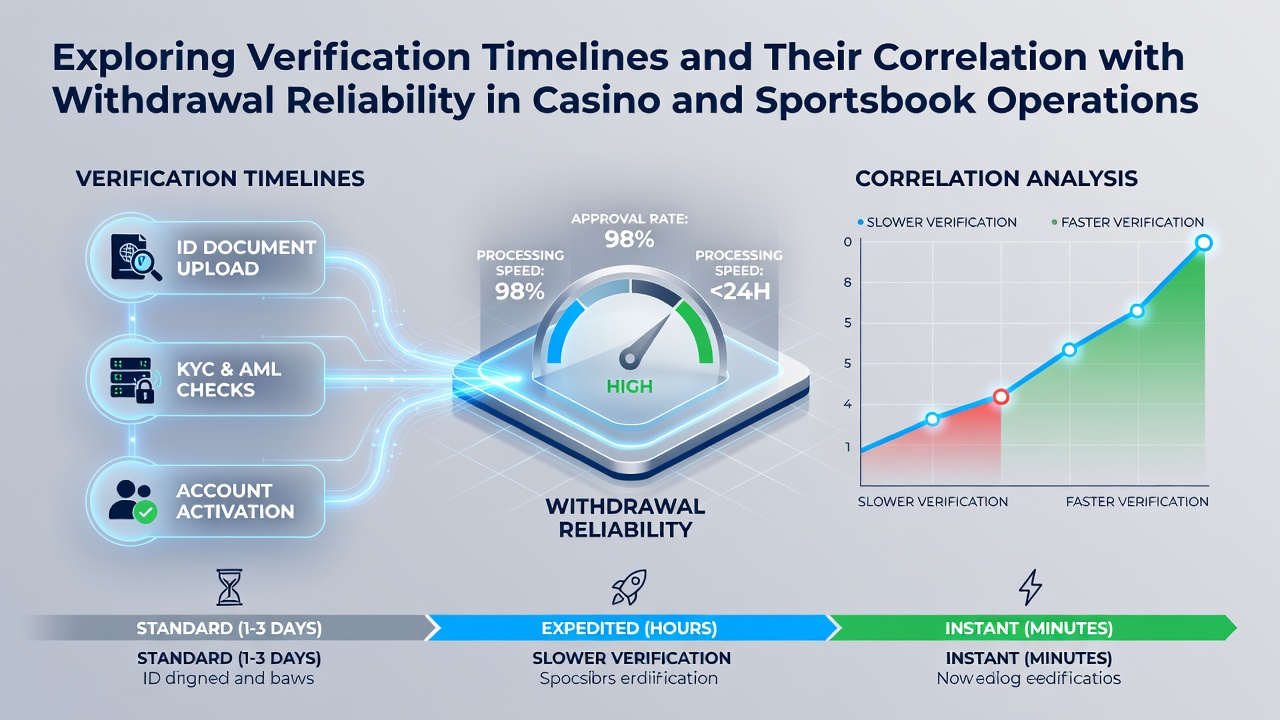
Verification procedures form a core component of regulated casino and sportsbook platforms, where operators collect identification documents, proof of address, and payment details before allowing withdrawals. These steps align with anti-money laundering requirements that vary by jurisdiction yet consistently influence how quickly players receive funds once they request a payout. Research from multiple regulatory bodies indicates that the duration of the verification stage directly ties to overall withdrawal completion rates across different markets.
Verification Processes in Practice
Operators typically initiate verification upon account registration or the first withdrawal attempt, requiring users to submit government-issued IDs along with utility bills or bank statements. Automated systems handle initial scans in many cases, yet manual reviews become necessary when documents contain discrepancies or when transaction volumes spike during peak seasons. Data from the New Jersey Division of Gaming Enforcement shows average verification windows range from four hours in automated environments to seventy-two hours when additional checks apply, and these intervals correlate with measurable differences in payout reliability metrics.
Platforms that integrate third-party identity services often shorten initial review periods because they cross-reference information against public records and credit databases in real time. Meanwhile, operators relying solely on in-house teams experience longer queues during high-traffic periods such as major sporting events. Observers note that November 2026 brought increased verification requests in several U.S. states following expanded mobile betting launches, which placed additional pressure on compliance departments.
Withdrawal Mechanisms and Their Dependencies
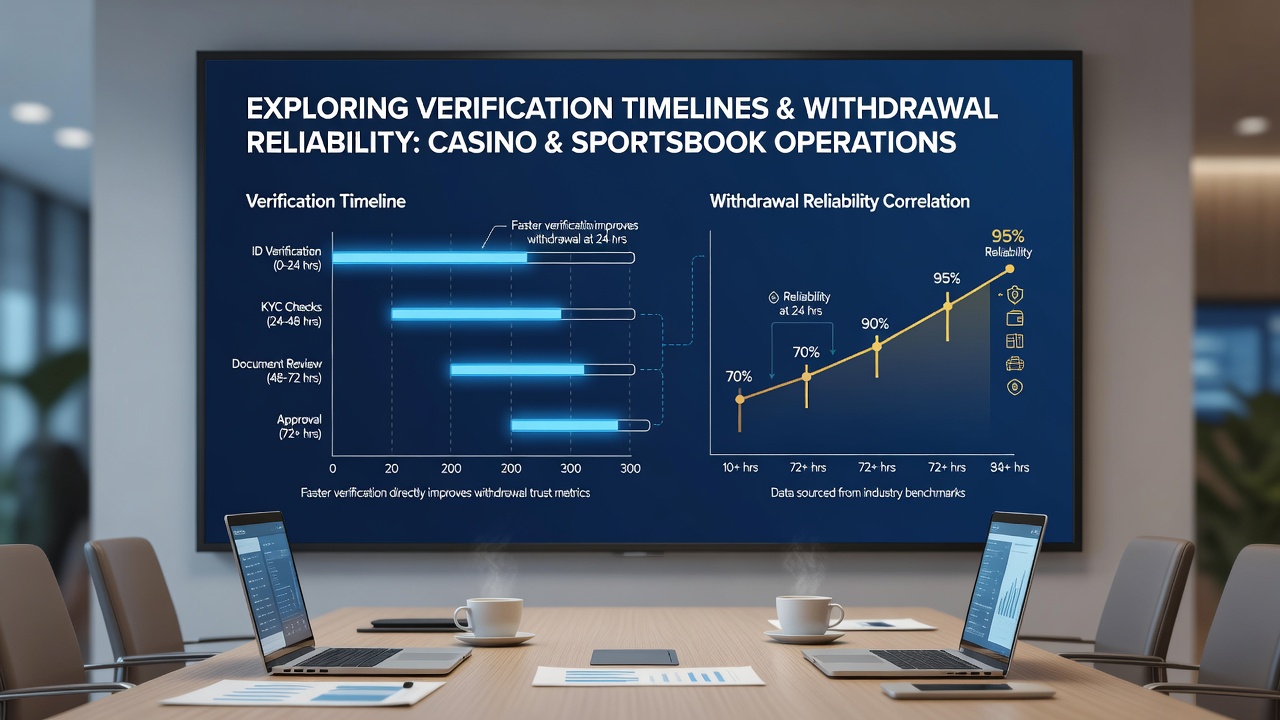
Once verification clears, withdrawal requests move through payment processors that handle bank transfers, e-wallets, and card refunds. The reliability of these final steps depends on whether the account status remains flagged for further review, a situation that arises when verification documents expire or when new deposit activity triggers fresh checks. Industry reports compiled by the Canadian Gaming Association reveal that accounts passing verification within twenty-four hours achieve withdrawal success rates above ninety-four percent, whereas accounts requiring extended verification display success rates dropping to seventy-eight percent over the same observation window.
Observed Correlations in Available Data
Statistical analysis across multiple jurisdictions points to a consistent pattern where shorter verification timelines align with higher withdrawal reliability scores. A study released by the University of Nevada, Reno gaming research center examined twelve months of transaction records and found that platforms completing verification in under twelve hours processed ninety-one percent of withdrawal requests within the advertised timeframes. In contrast, platforms averaging forty-eight hours or more for verification recorded only eighty-three percent on-time payouts during the same period, suggesting that delays at the verification stage compound into downstream processing bottlenecks.
Additional figures from the Australian Communications and Media Authority indicate similar trends in that market, where operators must meet strict timelines under national licensing conditions. Accounts verified within one business day demonstrated withdrawal reliability rates exceeding ninety-six percent, while accounts delayed beyond three days showed elevated rates of abandoned or canceled requests. These patterns hold across both casino and sportsbook verticals, although sportsbook operations sometimes experience tighter correlations due to higher transaction frequencies during live events.
Regional Variations and Regulatory Influence
Different regulatory frameworks shape how verification timelines interact with withdrawal outcomes. In several European markets outside the United Kingdom, licensing conditions mandate maximum verification periods of forty-eight hours for standard cases, and operators that exceed these windows face reporting requirements that affect their compliance ratings. North American state regulators apply comparable standards yet allow flexibility when volume surges occur, which can extend average timelines without triggering penalties provided operators document the reasons.
Payment method also plays a documented role. E-wallet withdrawals tend to finalize faster once verification completes because the underlying accounts already undergo prior screening by the wallet provider itself. Bank transfers, however, require additional settlement periods that extend the total time from request to receipt even when verification itself concludes quickly. Researchers tracking these differences across platforms emphasize that the initial verification window serves as the primary variable influencing whether the entire withdrawal process meets player expectations.
Conclusion
Available evidence demonstrates measurable links between verification duration and withdrawal reliability across casino and sportsbook operations. Shorter verification windows consistently correspond with higher rates of successful and timely payouts, while extended review periods introduce additional friction that reduces completion percentages. Regulatory data from multiple regions continues to track these relationships as markets expand, providing operators with concrete benchmarks for refining compliance workflows and payment integrations.